
Travel Ad vs Reality
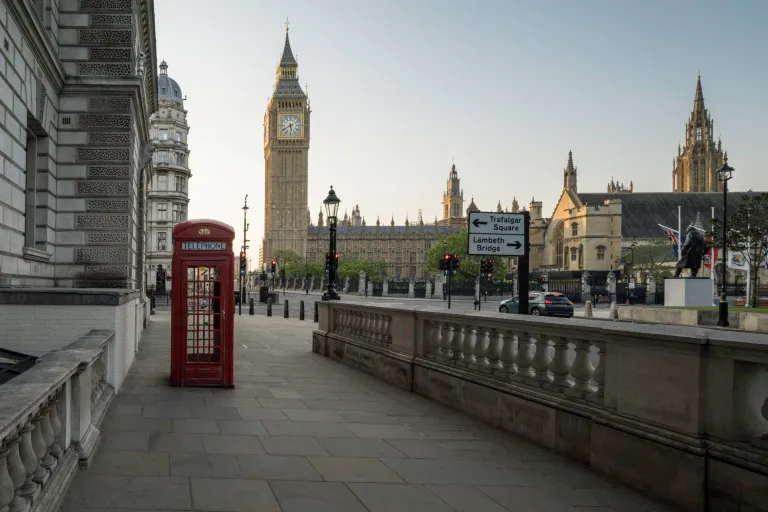
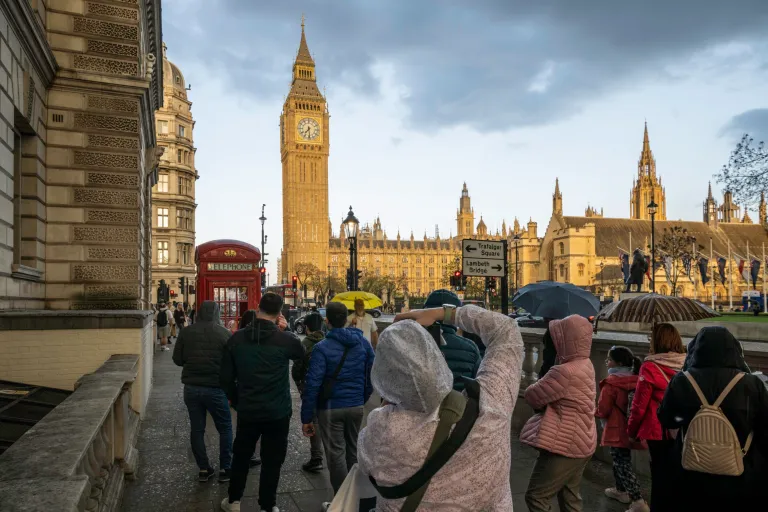
In my virtual exhibition, I am showing two pictures of the same place under the topic Travel Ads vs Reality. In this case, it is the view of the famous Big Ben in London.
One picture shows the wishful thinking of many tourists, which would also be used on travel websites for London, without seeing other tourists. The second picture shows the reality, with some tourists.
This comparison is one of many that show how visual representations influence our perception of a city, for example. A perfect reality is sold, while the real experience looks very different.
Unedited vs Edited
In this comparison of Unedited vs Edited, I would like to show you how powerful image editing can be and how you can easily manipulate an image and perhaps make it look more beautiful than it does in real life.
Just move the slider from left to right and see how the image scene changes. Now answer the following question honestly.
Which image would be more likely to get your attention when scrolling through your social media profile?
In most cases, it will be the edited image, which will catch people’s eyes more with its juicy green grass and dramatic clouds, although it is actually nothing more than false beauty and false perfection.
Different Perspectives
This example of the Taj Mahal is to demonstrate how easily different perspectives of two images of the same object can change our perception and interpretation. One picture shows the Taj Mahal alone and majestic, while the other shows the truth with the crowd of tourists.
Which image do you think is more likely to be found on the internet?
To find out the answer, just google it yourself.
This difference invites viewers to think about the manipulation and selection of perspectives, which in part makes you question your own perception.

Symbol Meanings
In the Symbol Meanings section, five symbols are shown that have different meanings in different cultures. Take the interactive quiz yourself and see if you can interpret each symbol correctly.
Depending on the cultural background, these symbols and emojis trigger different emotions and reactions in the viewer. A certain symbol can trigger positive feelings in one culture or country and negative feelings in another.
This section is to make clear how strongly our cultural background influences our perception of certain things, news or information.
News
This presentation of news is supposed to illustrate how news footage can influence our emotions and perception. Watch the video and then answer the questions below openly and honestly.
What feelings did you experience while watching the video?
How do such images influence your perception of natural disasters?
To what extent do you think your cultural or personal background influences your reactions?
Social Media vs Reality
This section is about the difference between social media and reality. Most people probably already realise that not everything that is shown on social media, be it influencers, pictures or anything else, always reflects reality.
In this case, we are talking about a popular photo spot, the Pedra do Telégrafo in Brazil, where many people pose as if they are hanging over a cliff all by themselves, whereas the reality is quite different. The video shows this difference.
This example shows how social media can manipulate our perception through staged images.
Food Ads vs Reality
This section is about food. Even when it comes to food, customers are usually faced with a false representation between reality and advertising. In adverts or on menus, the food that is later served usually looks much tastier, bigger and more appealing than in reality. In the two illustrations shown, you can see in direct comparison how the advertising and the reality of the food can look different.
To what effect do you think these differences have on our trust in advertising and menus?
Historical vs Today
These illustrations show how our perception of different places and objects can change over time and how both versions, the historical and the modern, can trigger different emotions.
In this case, you can see 4 scenes from Vienna in direct comparison between past and present.
Do you think that such representations influence your perception of historical and modern cities?